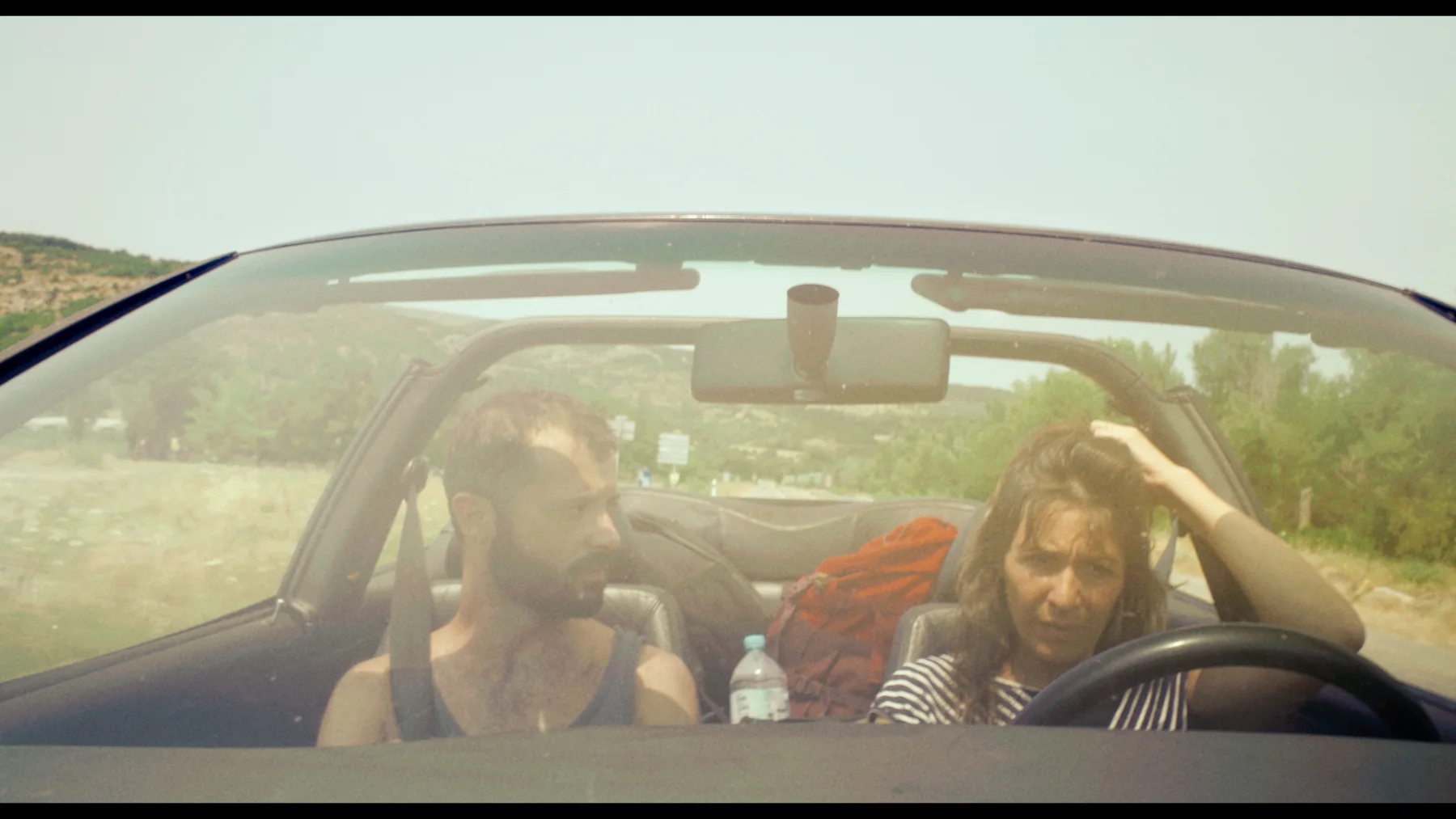
Some films feel like entering an old house through a door left half open. One steps in carefully, almost quietly, because the rooms still carry the weight of damaged lives. Then, unexpectedly, a window opens. Air moves through. Dust becomes light. Gouffres et merveilles by Jean Boiron Lajous, belongs to that rare kind of documentary that can look at pain without allowing it to darken the entire room.
The film begins with an apparent seriousness. Christine, the filmmaker’s friend, carries a bruised family history, marked by a tyrannical mother, an unhappy childhood and the early loss of a father. The premise could easily have remained within the solemn territory of testimony. Instead, it chooses movement. Very quickly, the documentary becomes a journey, both physical and emotional. A road movie through the south of France, a search for a letter, a search for a father, and perhaps more secretly, a search for what can still be done with what life has withheld.
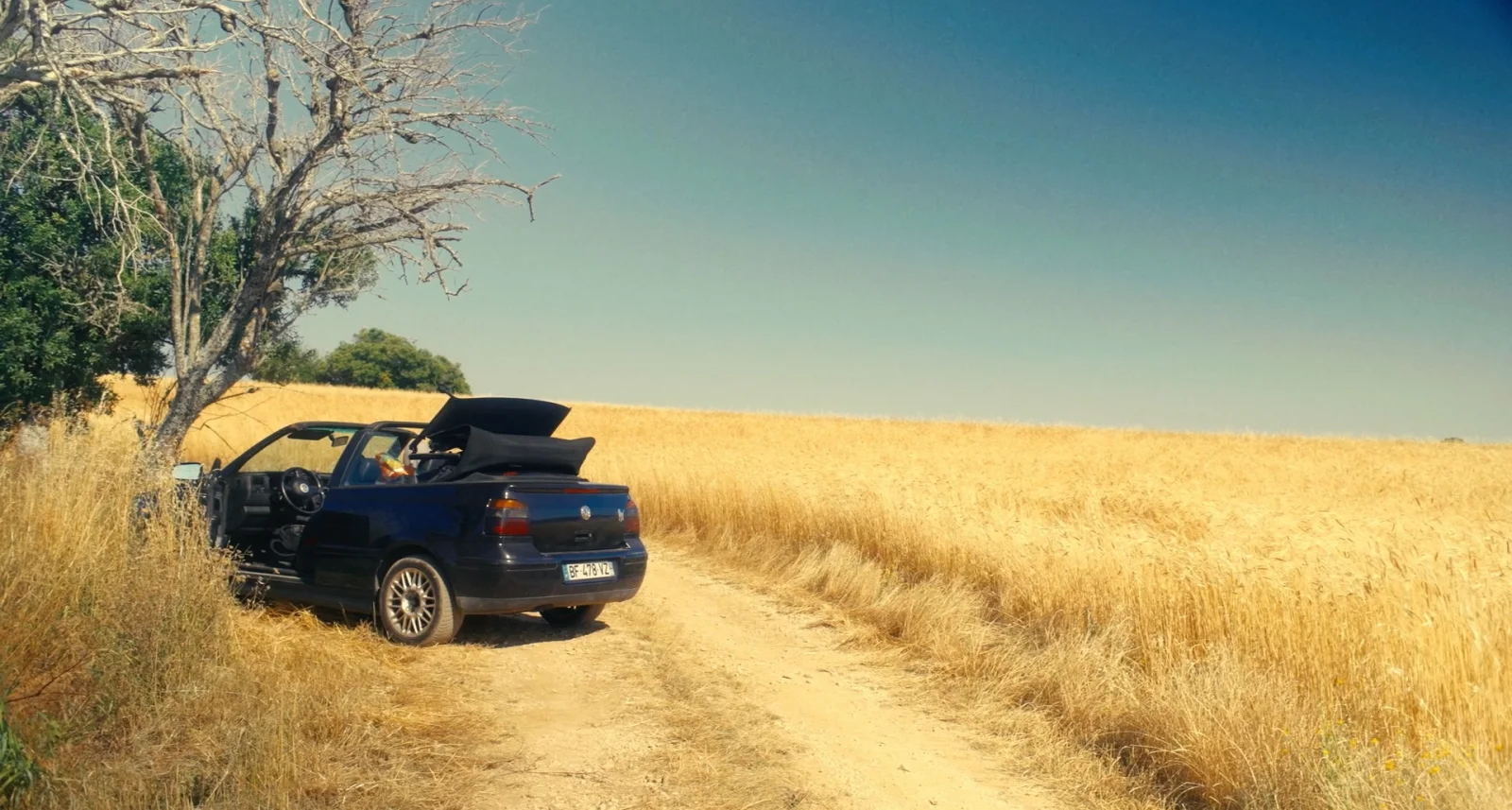
This road is never merely a route. It becomes an affective laboratory. Christine and Jean do not simply recount their wounds. They examine them, shift them, question them, sometimes re-enact them with a bracing irreverence. The film gradually turns into an analytical road trip, shaped by two divergent minds that begin to alter the film’s very texture. One films, the other resists. One speaks, the other is revealed. As their stories echo one another, the familiar relationship between filmmaker and subject is unsettled, then transformed into something more fragile and more valuable: friendship as a cinematic force.
This is where Gouffres et merveilles finds its singular grace. The film does not claim to heal. It does not promise reconciliation, nor the grand restorative scene that cinema so often desires. It looks instead for a form, a way of tinkering with the past. That idea, expressed within the film, becomes its quiet moral center. What has been broken cannot always be repaired.
But it can be inhabited differently.
It can be given colors, gestures, images, songs, a certain fantasy.
That fantasy matters deeply. It never looks away from violence, but it prevents violence from occupying the whole frame. The pop sequences, the dreamlike ruptures, the objects gathered like talismans, the images suspended between fantasy and intrusive thought, all bring light into subjects that could have remained suffocating. The film moves us precisely because it refuses to confuse depth with austerity. It understands that a joke can be a survival tool, that a burst of color can express pain more precisely than confession, that an absurd gesture can sometimes touch an ancient truth.
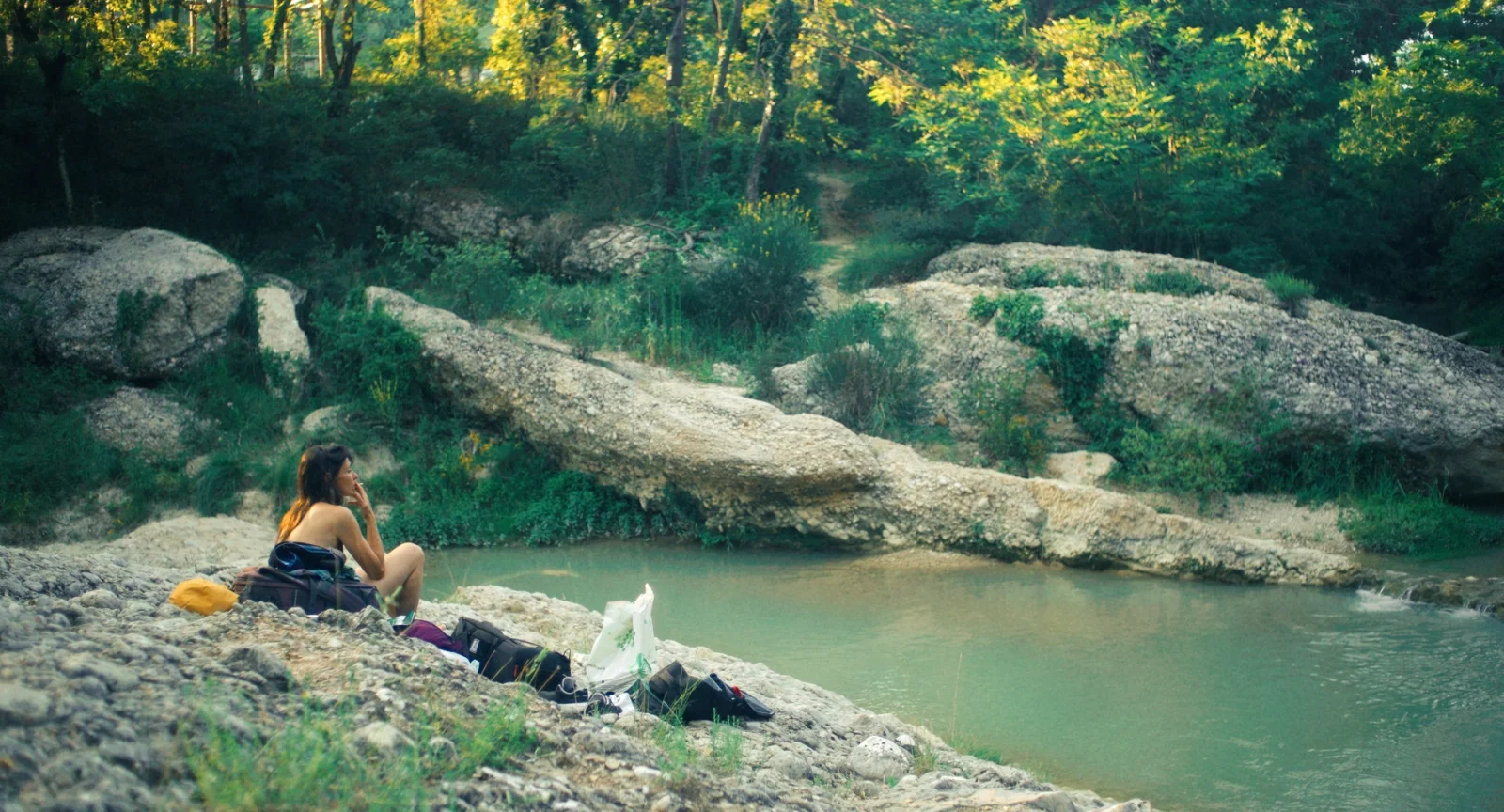
One may think of Michel Gondry’s The Thorn in the Heart, another film in which family is explored with a handmade, almost tender scalpel, where intimate wounds are approached through the detour of cinematic craft. In Boiron Lajous’s film, the kinship lies less in imitation than in a shared faith in modest forms, handmade images and feelings shaped with delicacy. Cinema does not come here to decorate reality. It comes to let it breathe.
The attachment may take time. At first, one can feel slightly distant from Christine and Jean, from their sharp humor, from the way they take to the road with sorrows so large they seem to crowd the car. But the film patiently teaches us their inner weather. Their way of feeling life, of defending themselves against it, of throwing themselves back into it despite everything, makes them increasingly moving.
Gouffres et merveilles wears its title beautifully. It looks into abysses without surrendering to them, and toward wonders without innocence. Between the two, it finds an unstable, bruised, living line. This is cinema not as cure, but as companionship. A film that walks beside those it films, inventing with them a language for going on.