At eighteen, Anna requests medical assistance in dying. Brigitte Poupart could have made that decision the centre of an argument. Instead, she does something more uncomfortable and more human: she watches the shockwave. Où vont les âmes is about death, certainly, but even more about what death forces the living to confront before time runs out.
Latest News
The latest cinema stories
Short reads, insights, and releases worth your time.
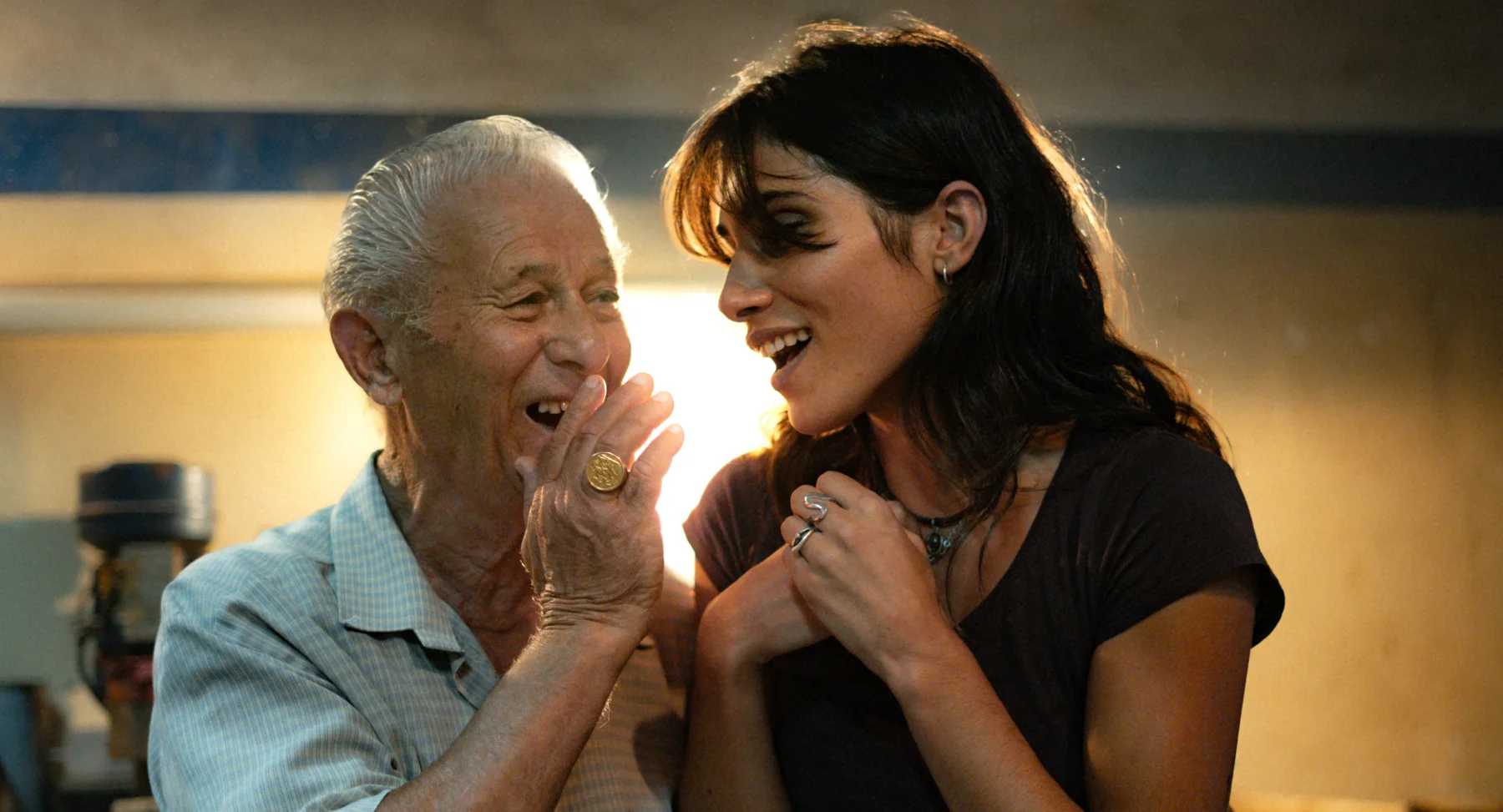

It has become commonplace to say that photography preserves the past.
La vie en relief suggests something more ambitious: that it can restore it.
By returning Jacques Henri Lartigue's stereoscopic photographs to the dimension in which they were first conceived, Denis Gaubert's documentary gives memory its physical depth once again.
In french movie theaters September 15th

Far removed from commercial calculations and festival momentum,
the Jean Vigo Prize remains one of French cinema's most distinctive honours. Its 2026 winners reaffirm the award's enduring commitment to artistic freedom, formal ambition and films that challenge the way we see the world.
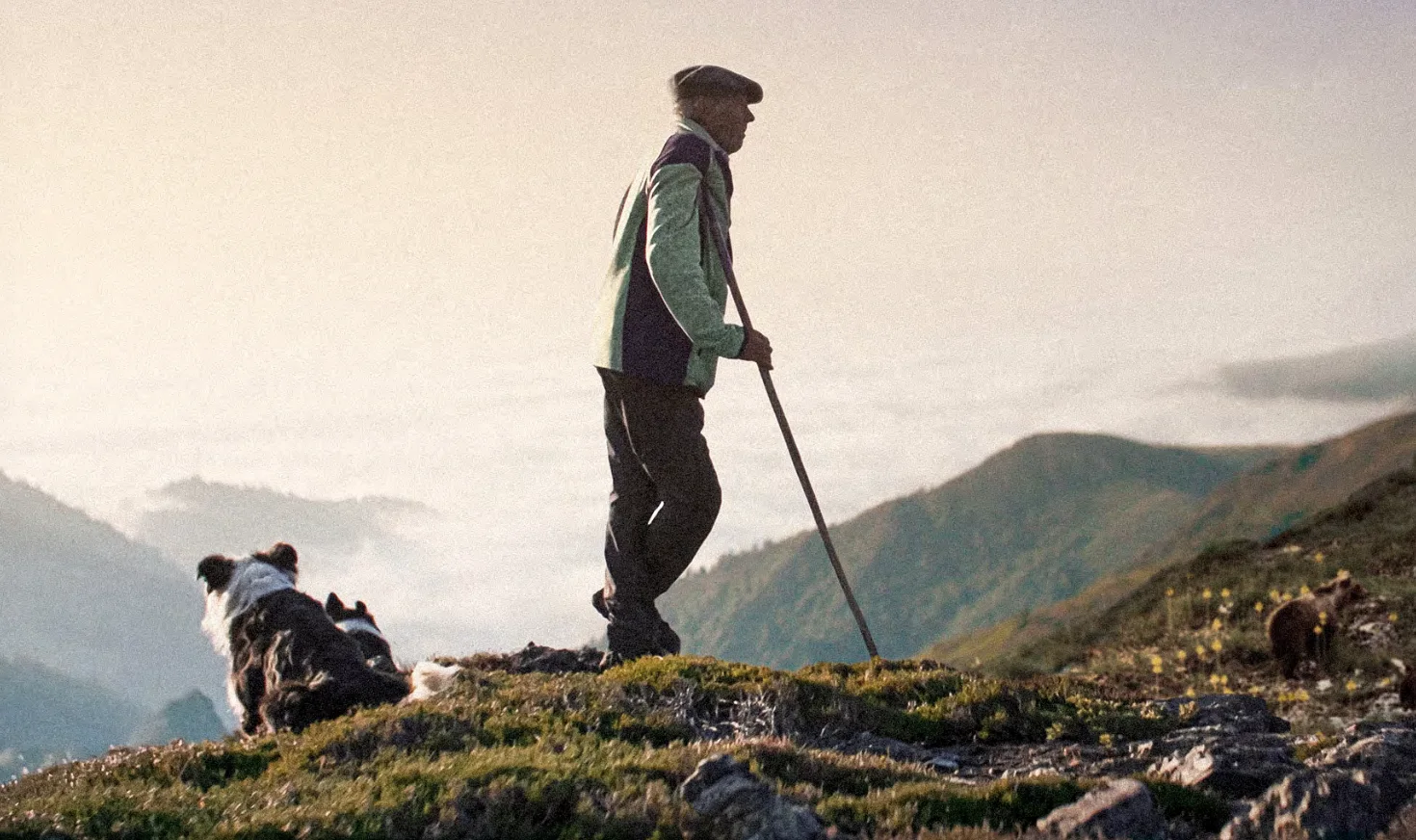
With The Shepherd and the Bear, Max Keegan delivers a rare documentary, both raw and tender, in which the beauty of Ariège never quite softens the harshness of pastoral life. Between shepherds, animals, fatigue, fascination and political absence, the film observes a French fracture without ever reducing it to a slogan.
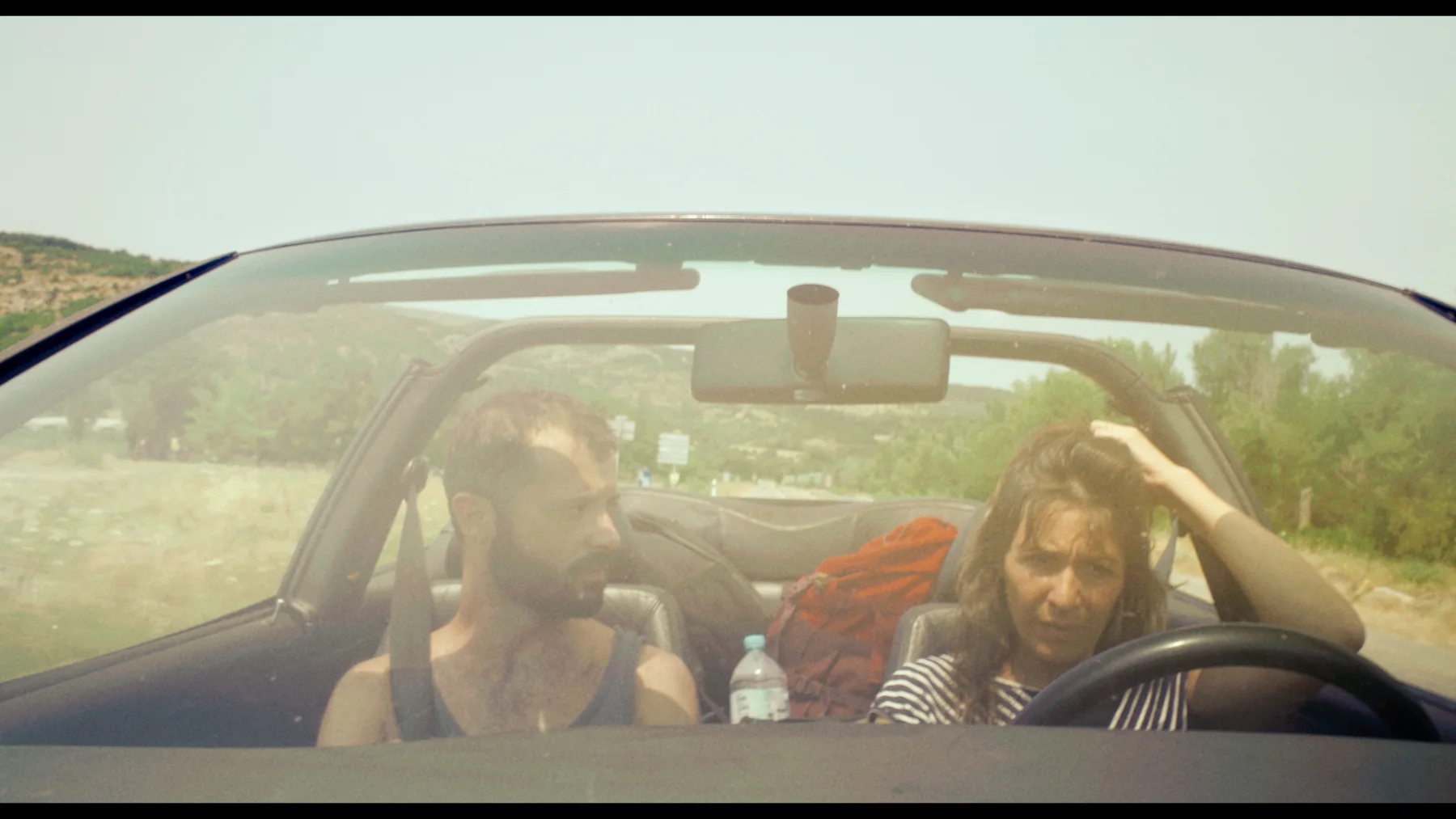
With Gouffres et merveilles, Jean Boiron Lajous crafts an intimate road movie in which friendship becomes a way of making cinema. Moving through wounded childhoods, the search for a father, pop humor and dreamlike fantasy, the documentary turns family abysses into a luminous, bruised and deeply moving journey.
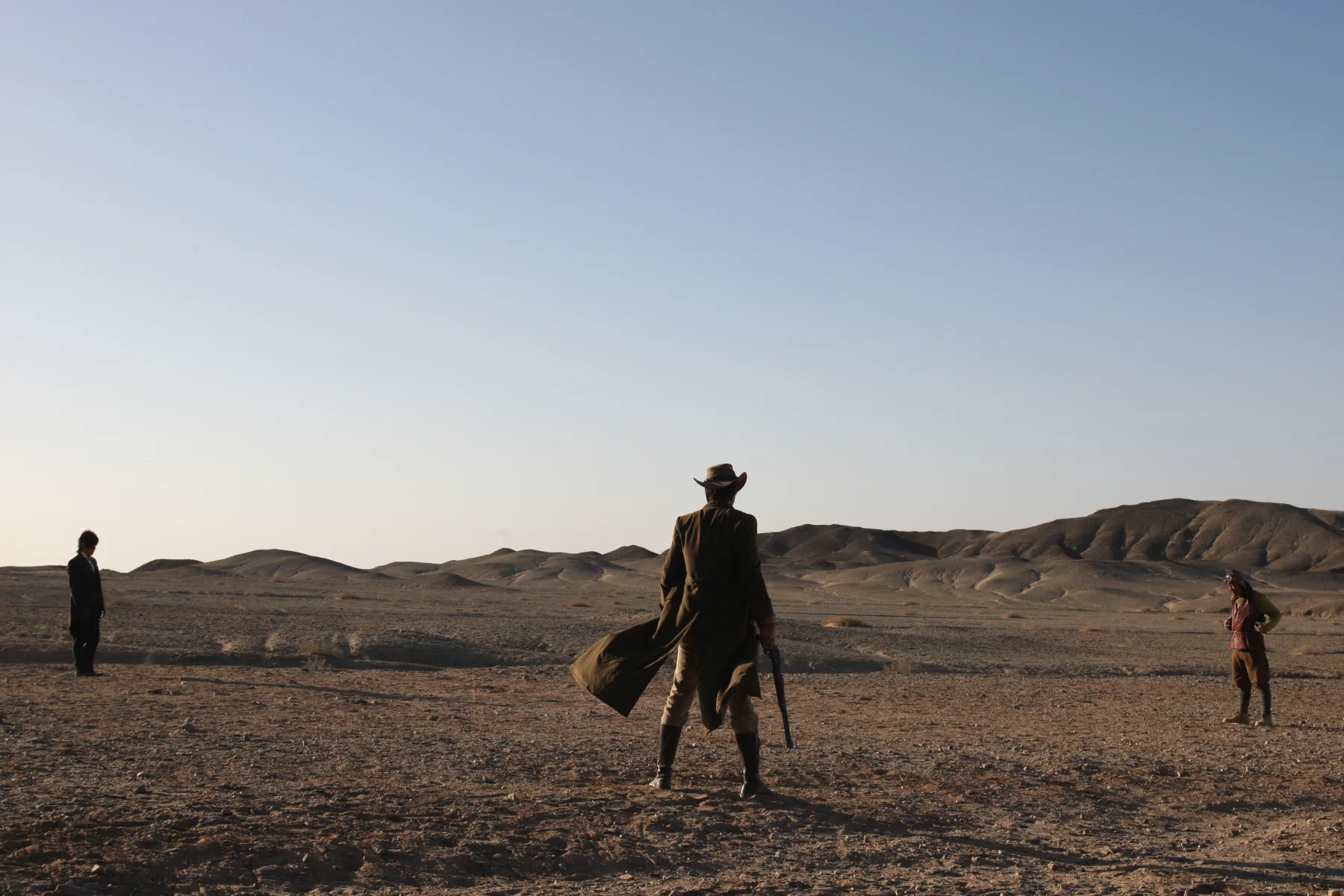

In The Stories, Abu Bakr Shawky turns a family legend into an intimate and political fresco. Between Cairo, Austria, football, music and the tremors of History, the film celebrates multicultural families, inherited stories, and that mysterious force of love that survives borders.
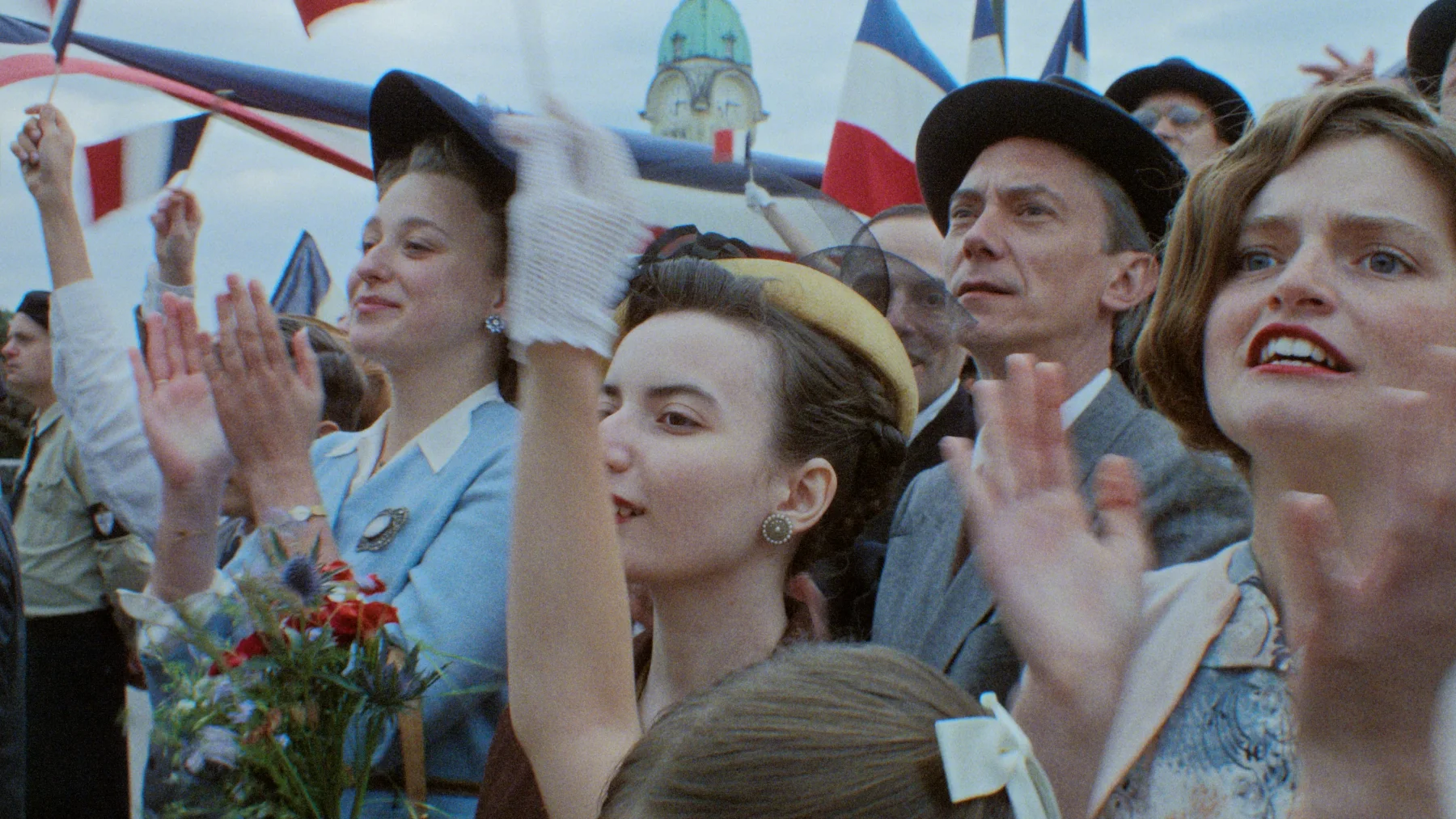
With Notre salut, Emmanuel Marre refuses the polite dust of historical reconstruction. In a raw, almost interrogatory light, and carried by an astonishing Swann Arlaud, the film looks at collaboration not as a distant moral abstraction, but as a slow human drift made of poverty, wounded vanity, misplaced tenderness, private failure and the small cowardices through which history sometimes enters a room.
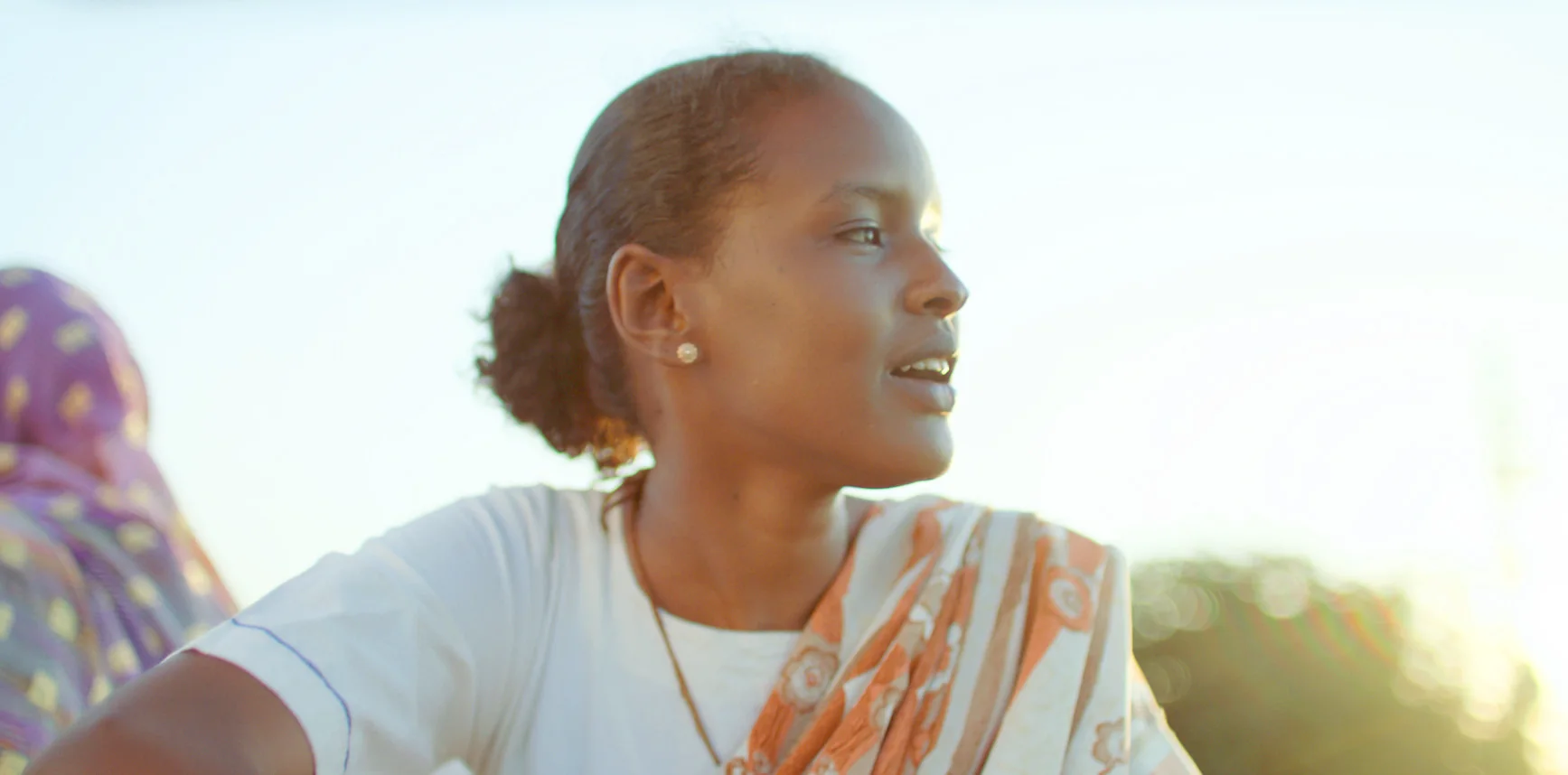
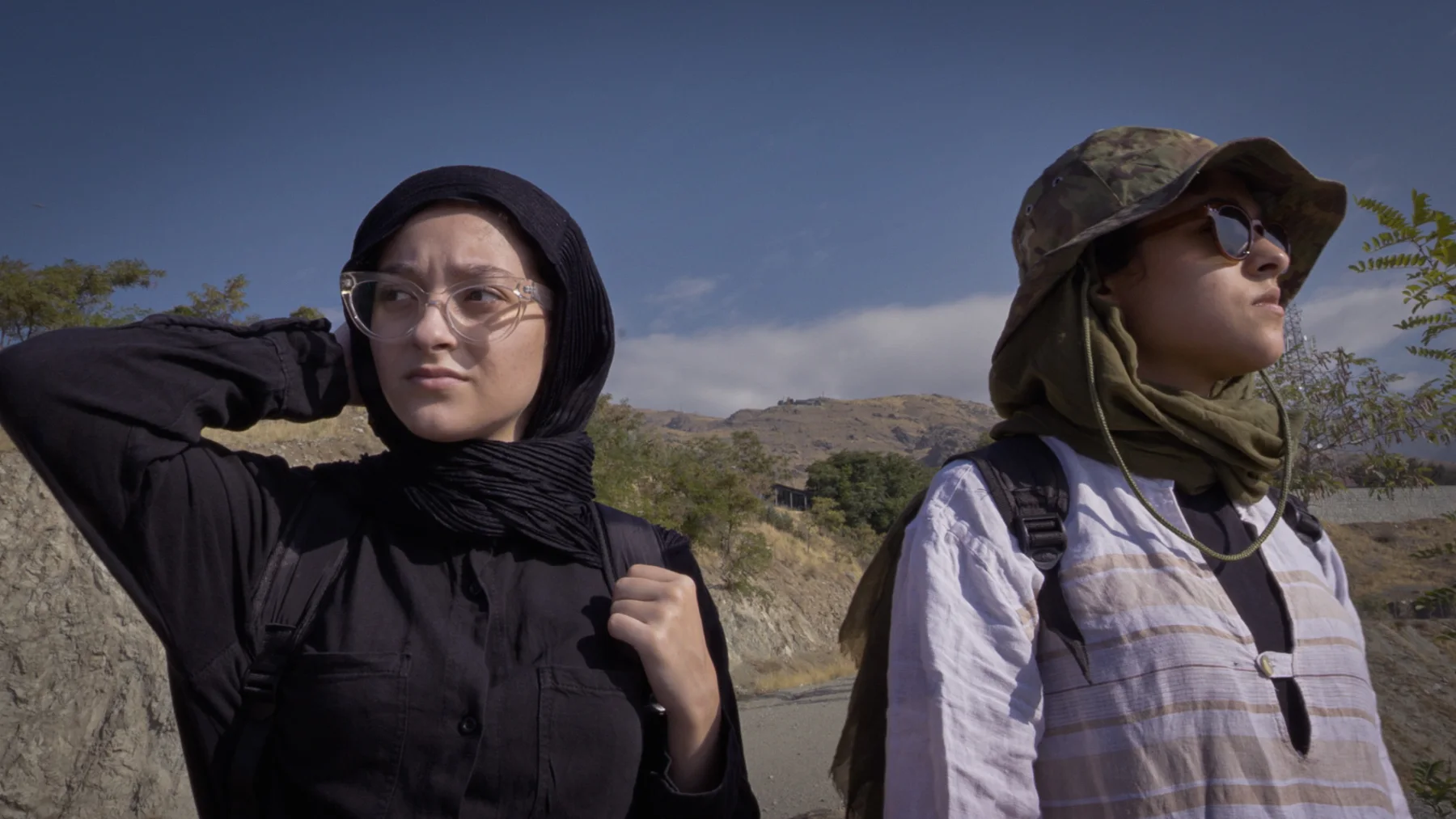
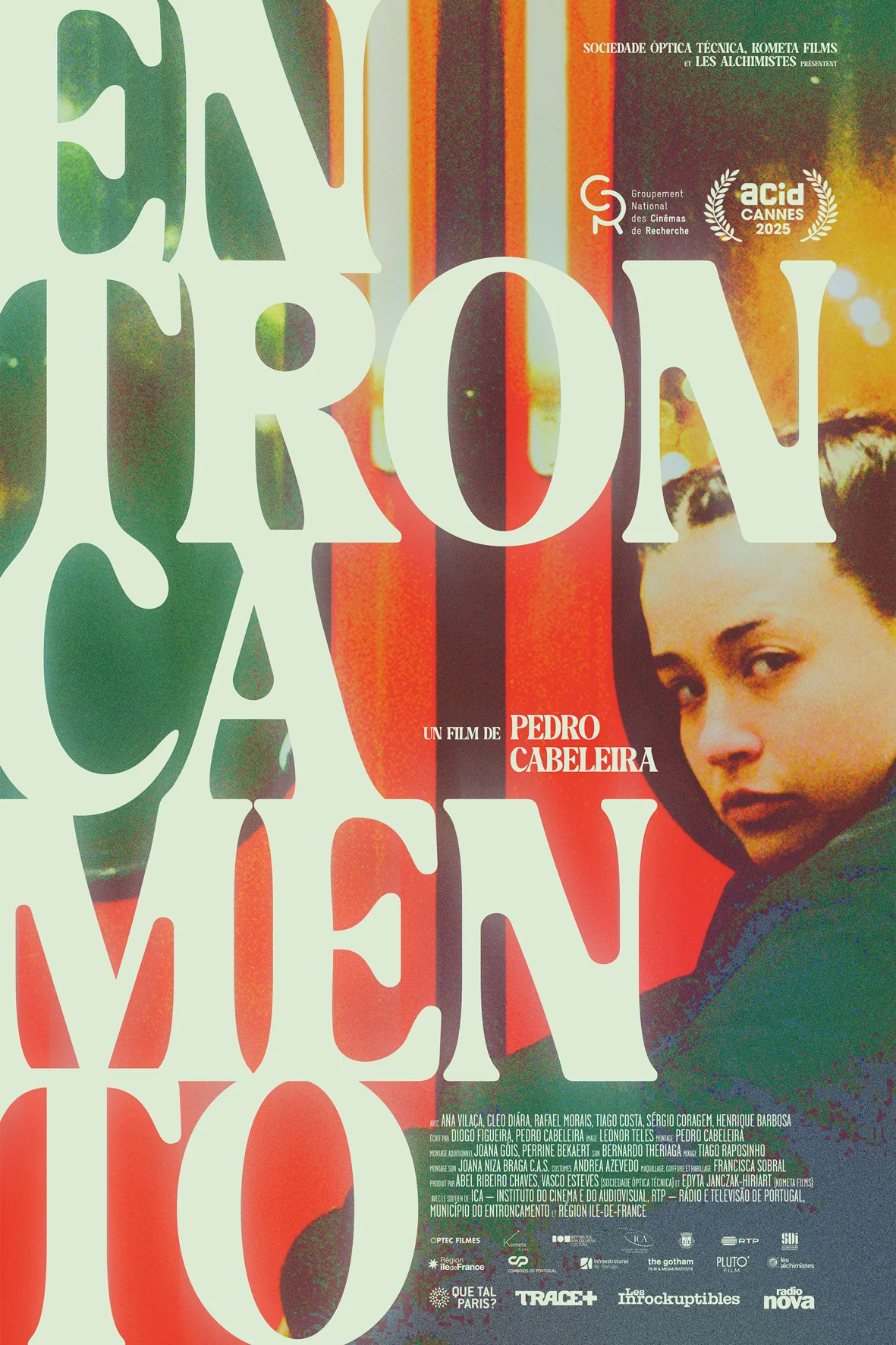


With On the edge from Guérin van de Vorst and Sophie Muselle , cinema no longer explains psychiatric institutions, it lets us feel them.
Through an immersive and fragile perspective, the movie explores the shifting boundary between care and emotional involvement.
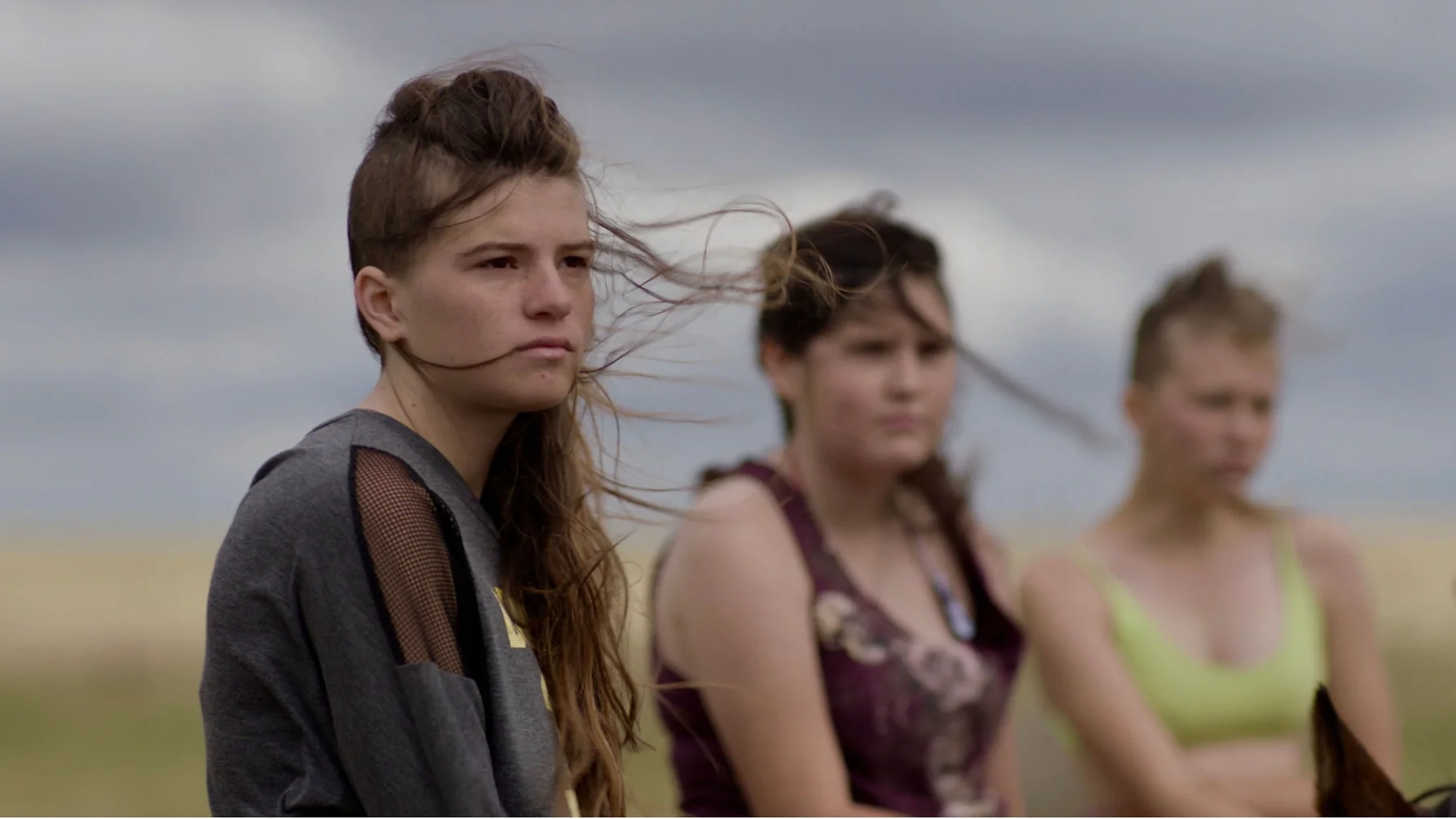
In the Badlands, The New West transforms the western into an intimate, sensory experience where reality flickers, and grief becomes a quiet form of movement.

On the Canary Islands, a night of electronic music stretches toward dawn then quietly unravels.
With Mi Amor, Guillaume Nicloux transforms a seemingly simple disappearance into a drifting, sensorial experience where reality begins to fracture without ever fully breaking apart.



The second weekend was the real test. Project Hail Mary passed it with rare staying power: $54.5 million in North America, a limited 32% drop, $164.3 million domestically, and $300.8 million worldwide after two weeks. For Amazon MGM, this is already a major success. For the market, it is more than just a strong result: the film is emerging as a textbook case of the power of a major non-franchise studio release when word of mouth, premium formats, and release timing all work hand in hand.
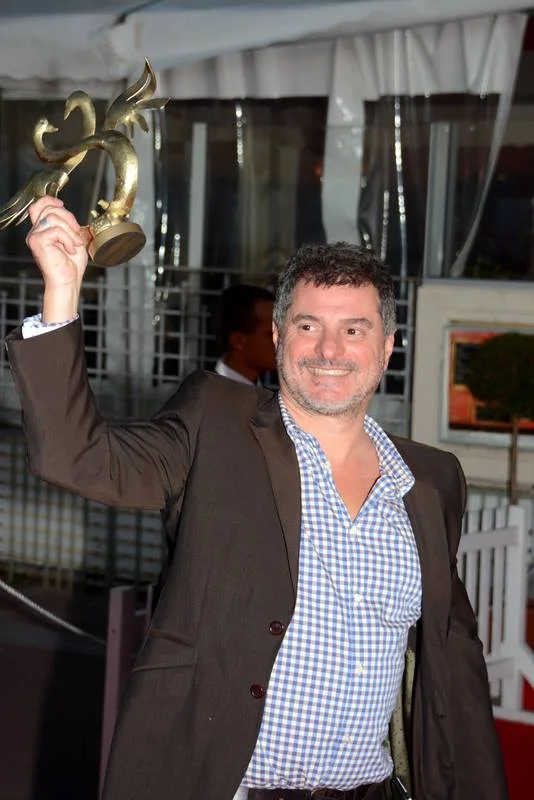
The Festival de Cannes officially announced on April 1st (and no, it’s not an April Fool’s joke) its opening film: La Vénus électrique, the new feature by Pierre Salvadori. The film will have its world premiere at the Grand Théâtre Lumière on May 12, and after the opening ceremony it will be screened the same evening in numerous cinemas across France.